For your questions and more information about the City of Somerville, you may reach us through this e-mail.







The Shifting Ground Beneath Somerville’s Creative Core The Green Line Extension changed how Somerville connects to the wider Boston region. New stations improved access to jobs, schools, and commercial districts, but the same transit advantage also intensified pressure on land near former industrial buildings. Parcels that once supported workshops, small manufacturers, musicians, and artists began to look increasingly attractive to residential, office, and life sciences developers. That pressure is especially visible around Joy Street and Somerville Avenue, where historic studio hubs sit beside a rapidly changing development market. Working artists often operate on month-to-month or otherwise vulnerable leases, while property owners face strong incentives to sell or redevelop. The result is a civic question with no simple answer: how can transit-oriented growth bring public benefits without removing the people and production spaces that give neighborhoods their character? Somerville has confronted this conflict before. In 2013, Space Equals Work organized in response to rising rents, redevelopment threats, and proposed zoning changes affecting industrial buildings on Somerville Avenue. Its campaign helped persuade the city to abandon a proposal to rezone those buildings for residential use. That history established an important precedent. Physical space is not a secondary concern for artists. It is […]
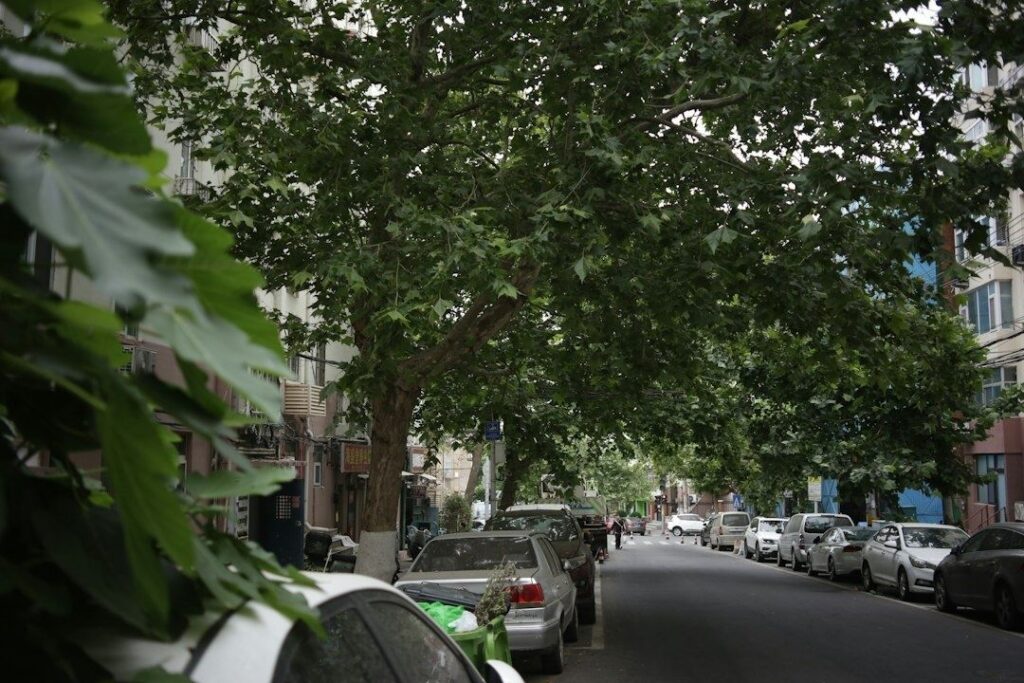
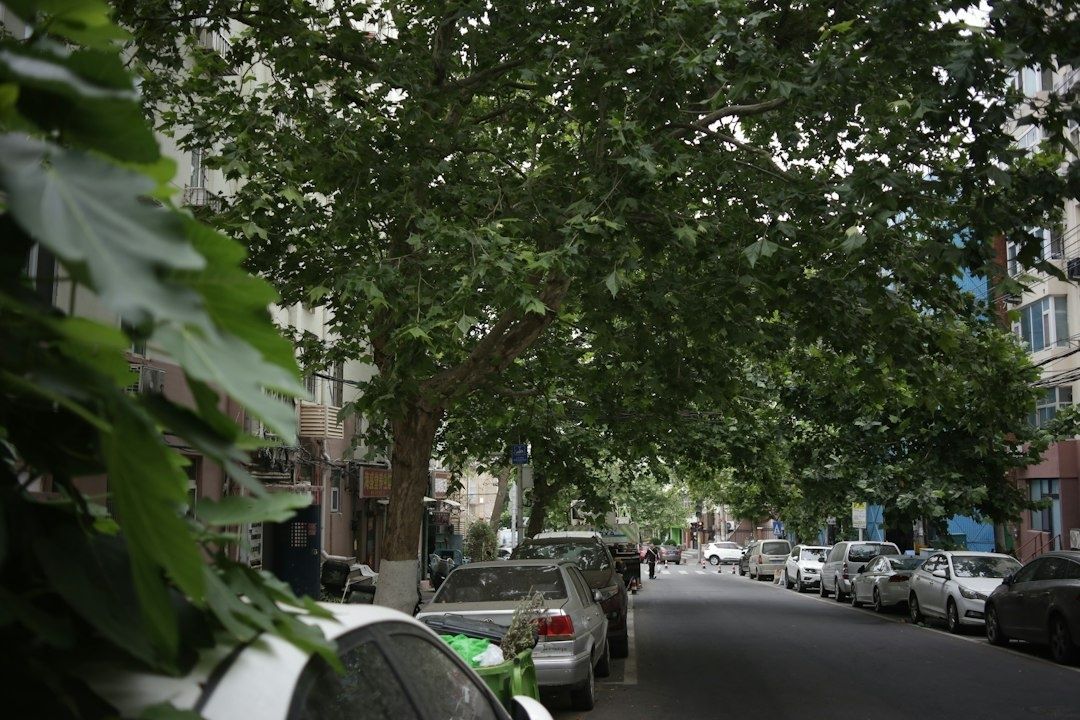
A Tale of Two Tree Lines Across Somerville Walk from the more shaded blocks of West Somerville toward East Somerville and the change can register in the body before it becomes a statistic. A leafy residential street offers patches of shelter, cooler pavement, and a more comfortable route for children, older adults, and anyone carrying groceries. Farther east, broad paved corridors and exposed sidewalks can feel noticeably hotter, especially during a heat wave when shade is not a luxury but a practical form of protection. Somerville”s tree canopy is therefore more than neighborhood decoration. Street trees intercept solar radiation, cool the air through evapotranspiration, filter pollution, reduce stormwater runoff, and make walking more tolerable. The east-west divide is not a product of natural geography. It reflects historical development patterns, transportation corridors, industrial land uses, dense lot lines, and public investment decisions that left some parts of the city with far fewer places for trees to grow. Understanding that history is essential to building a fairer climate future. Residents seeking broader context on environmental climate divides can see how urban heat burdens often follow existing social and infrastructure inequalities. Urban heat is shaped by the distribution of shade, pavement, and public […]
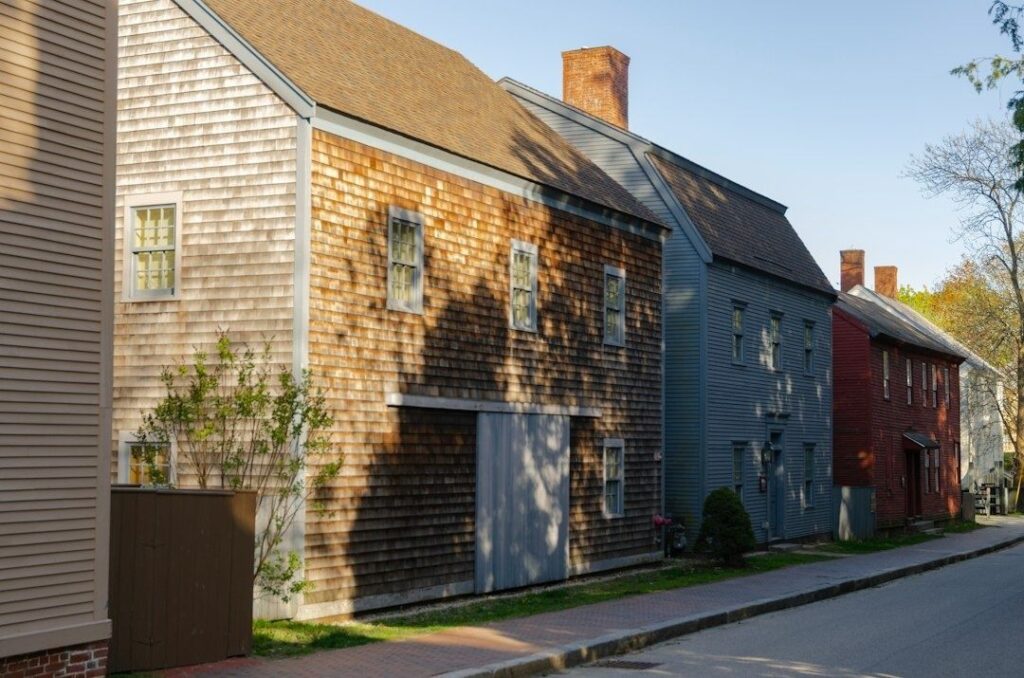
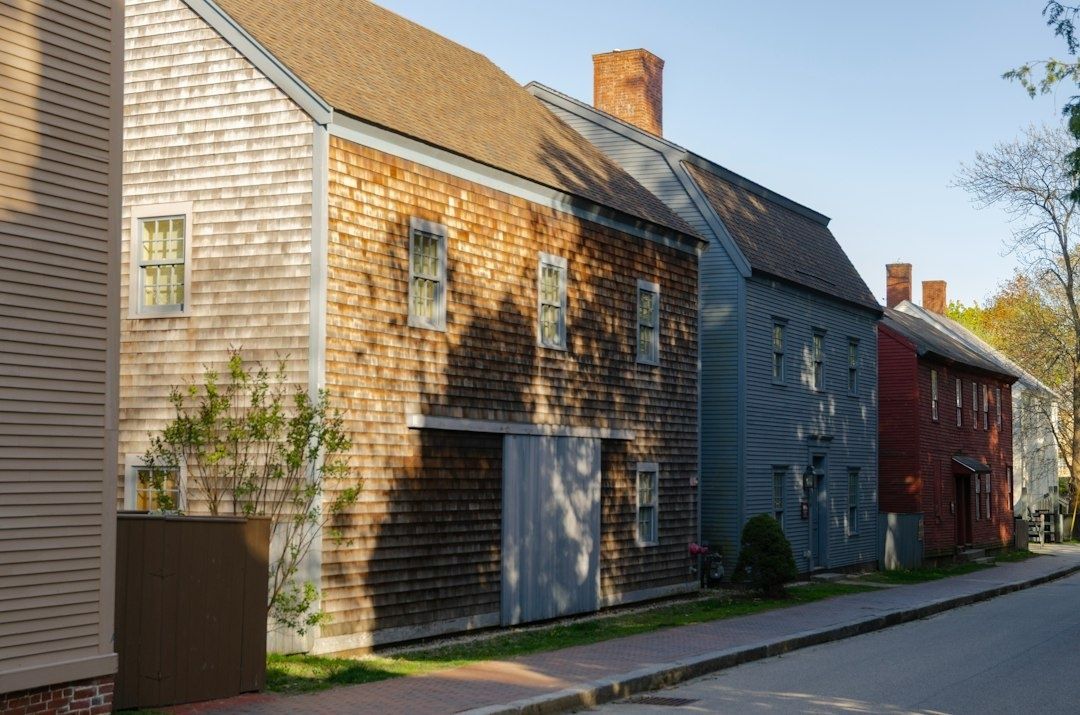
The Working-Class Architecture at Somerville’s Climate Crossroads Along Somerville’s dense residential avenues, the triple-decker is more than a familiar silhouette. Three stories of wood framing, stacked porches, narrow side yards, and close-set streets reflect a period when factory work, streetcar access, and immigrant communities were reshaping Greater Boston. These buildings offered families a practical way to live near jobs and transit, while owner-occupants could rent out other floors to help cover the mortgage. More than a century later, the same housing form remains central to the city’s daily life. That legacy now carries a difficult contradiction. Triple-deckers are among Somerville’s most important sources of relatively modest, small-scale housing, but many are also inefficient buildings with drafty envelopes, aging boilers, and fossil-fuel appliances. Buildings account for more than a quarter of Massachusetts’ greenhouse-gas emissions, and older small residential properties represent a significant part of the challenge. The state’s climate targets therefore depend on improving homes that were never designed for today’s energy standards. The question is not whether these buildings need better insulation, cleaner heating, and safer electrical systems. It is how those improvements will be paid for and carried out without turning a climate program into another mechanism for displacement. […]

The Ribbon-Cutting Glow Fades into Everyday Transit Reality When the Green Line Extension opened its Union Square branch in March 2022 and its Medford branch later that year, the ceremonies carried the weight of decades of advocacy. Somerville residents had spent years asking why a city so close to Boston lacked rapid transit in much of its interior. The completed project, with a reported budget of $2.3 billion, promised more than new stations. It promised shorter trips, fewer cars on local streets, stronger connections to jobs and schools, and a fairer share of the region’s transportation investment. Those promises still matter, but the ribbon-cutting moment has passed. The more revealing test is the ordinary weekday: a parent trying to reach daycare before closing, a service worker transferring across town, a student walking from a station, or an older resident deciding whether a bus stop is close enough to use. For a useful civic audit, regional transportation investments must be judged by the connections they create at street level, not only by the infrastructure visible on a map. The Green Line has undeniably changed Somerville’s geography of movement. Yet its benefits are shaped by shifting bus routes, crowded paths, station access […]

As a long-time resident, I’ve seen Somerville blossom, and a significant part of our city’s recent evolution is its embrace of digital technology to foster civic engagement. It’s truly inspiring to witness how innovative platforms are not just changing how we interact with city hall, but how we connect with each other and participate in shaping our shared future. From data-driven decision-making to inclusive online services, Somerville is pioneering a more connected and responsive local democracy, and it’s something our entire community can be proud of. Building a digital foundation for informed dialogue The journey towards enhanced civic engagement in Somerville has been significantly paved by a commitment to transparency and data-driven governance. A cornerstone of this approach is the ResiStat program, short for ‘Resident Statistics.’ This initiative, the public-facing arm of the broader SomerStat performance management system, has been instrumental in bringing data directly to us, the residents. As detailed by Idealist.org in its profile of City of Somerville ResiStat, the program aims to make discussions and decision-making processes more accessible through both web platforms and regular community meetings. It”s about creating a two-way street: the city provides information, and we, in turn, can ask questions, share concerns, and […]
The city of Somerville and the surrounding area encompassing Middlesex County feature a great range of possible jogging spots. Fans of this activity will be spoiled for choice when it comes to trails. They include urban areas with lots of amenities as well as rural ones for those who prefer isolation. When it comes to the former, there is a large number of city squares throughout Somerville. These are used to mark the boundaries between each neighbourhood. People can jog through these squares if they want to get to know the overall character of the city. It is vital that the jogger wears the proper clothing while out exercising. The website Aim’n can provide these people with high-quality sports bras. When deciding on the best attire, there are several things to keep in mind. The Climate The time of year will significantly affect the right clothes to wear while out jogging. During the winter months, it can be freezing. On some days, it may even be too icy and snowy to venture out. However, it is a different story in the summer. The best clothing during this season should prevent heat stroke as much as possible. For this reason, sports […]